

Web development · Blood donation
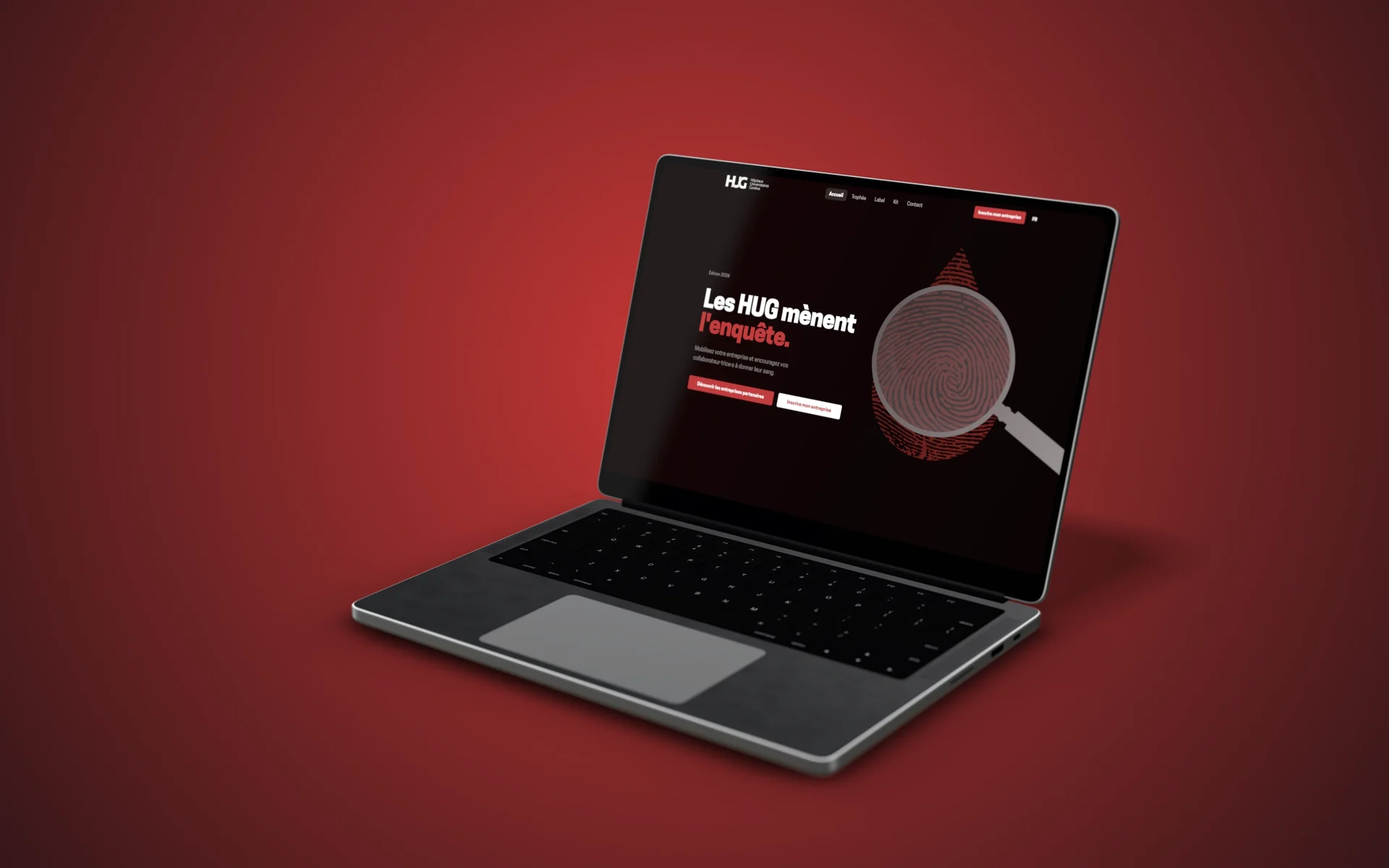
The HUG are investigating
Three in ten people booked for a blood drive were leaving without being able to give.
We turned the eligibility questionnaire into a detective investigation, so that everyone knows whether they can give before they book.
- Context
- HEIG-VD integration project, commissioned by the HUG
- Year
- 2026
- Duration
- 4 weeks
- My role
- Full-stack developer, concept and UX/UI
- Team
- 7 students
- Tools
- Laravel, Vue 3, MySQL, Figma
The problem
30% of people who book cannot give blood on the day.
Our answer
Check your eligibility before booking, by leading the investigation.
The result
A site live for a year and the top grade: 6/6.
Three in ten, lost before they arrive
The Geneva University Hospitals (HUG) are the canton’s public hospital group. Their Blood Transfusion Centre has to keep blood reserves all year round, and part of the donations comes from blood drives held directly in Geneva companies, from banks to luxury brands.
- of donations come from company blood drives
- 10%of donations come from company blood drives
- of people who book end up unable to give
- 30%of people who book end up unable to give
The problem shows on the day itself: a recent vaccine, a trip, a fever, and the donor leaves without giving. Our brief: boost these blood drives.
Seven investigators, four weeks
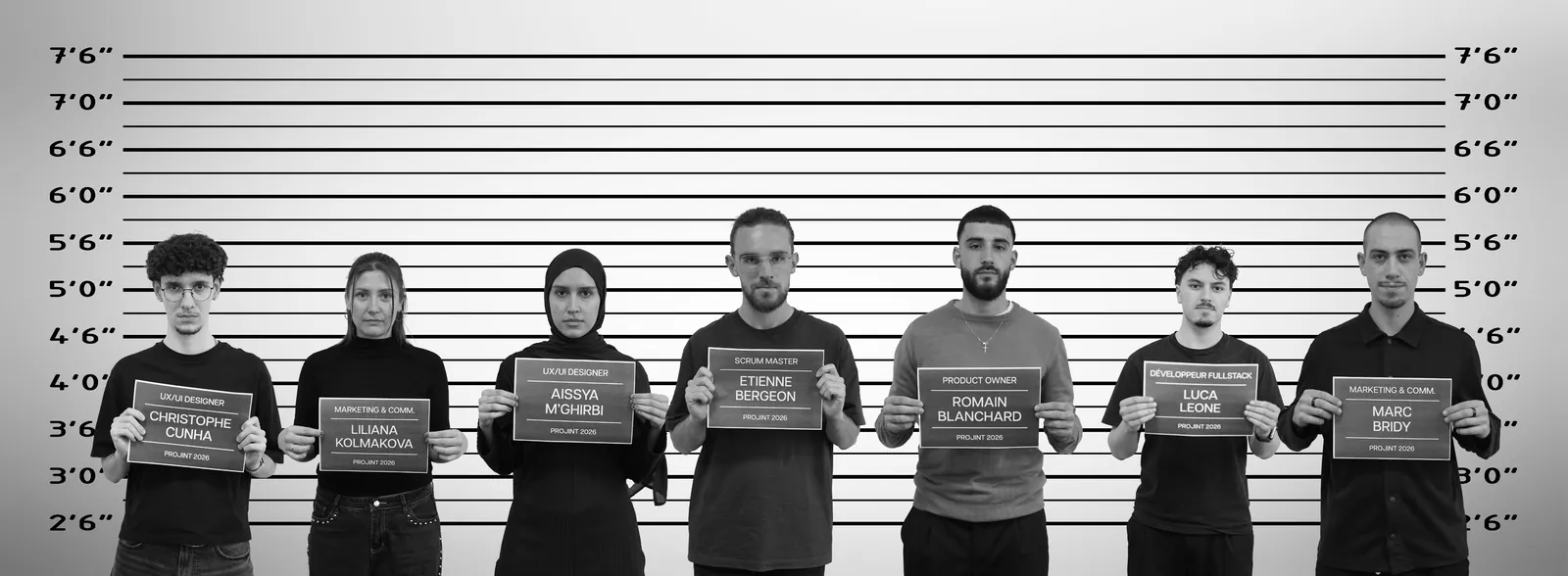
There were seven of us, working in Scrum. I was the full-stack developer: a large part of the Vue 3 front end (public pages, the survey, company pages, label, trophy, kit), part of the Laravel back end, and my share of the concept and UX/UI.
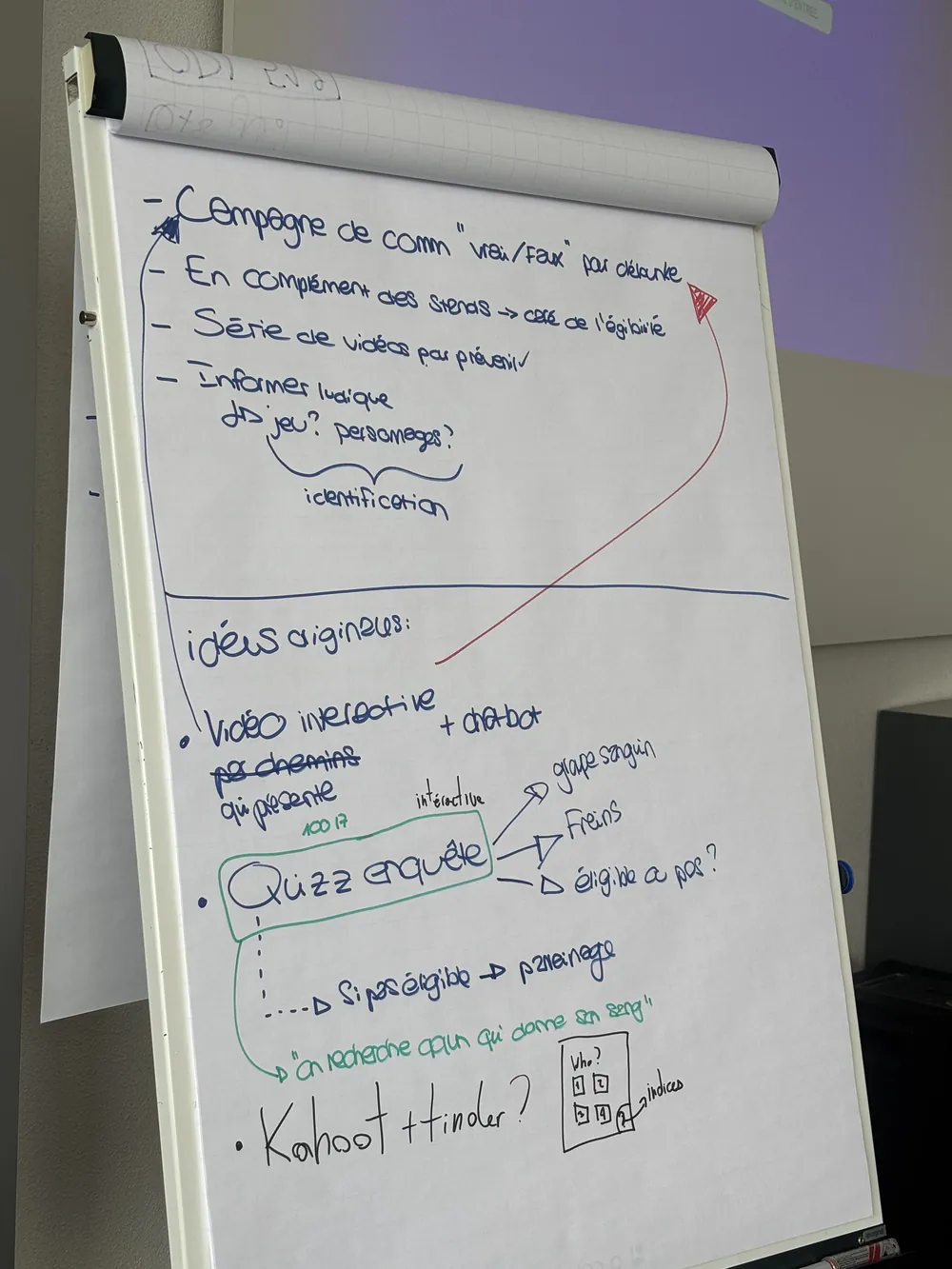
What if the donor led the investigation?
Eligibility questionnaires are administrative checklists that people often discover too late. We turned them into an investigation: the agent’s file is examined criterion by criterion, without ever making anyone feel guilty. “Suspect” became “wanted profile”.
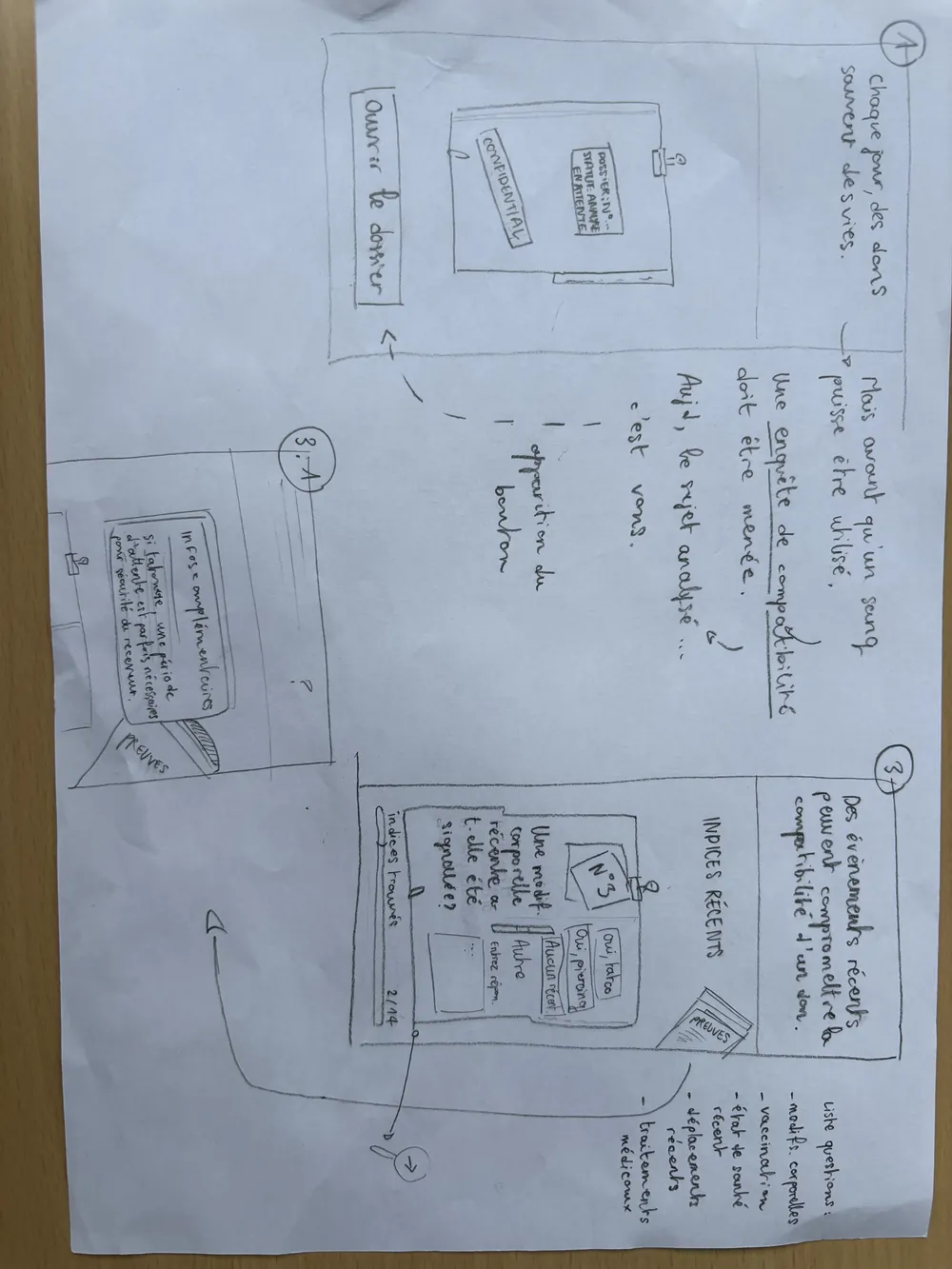
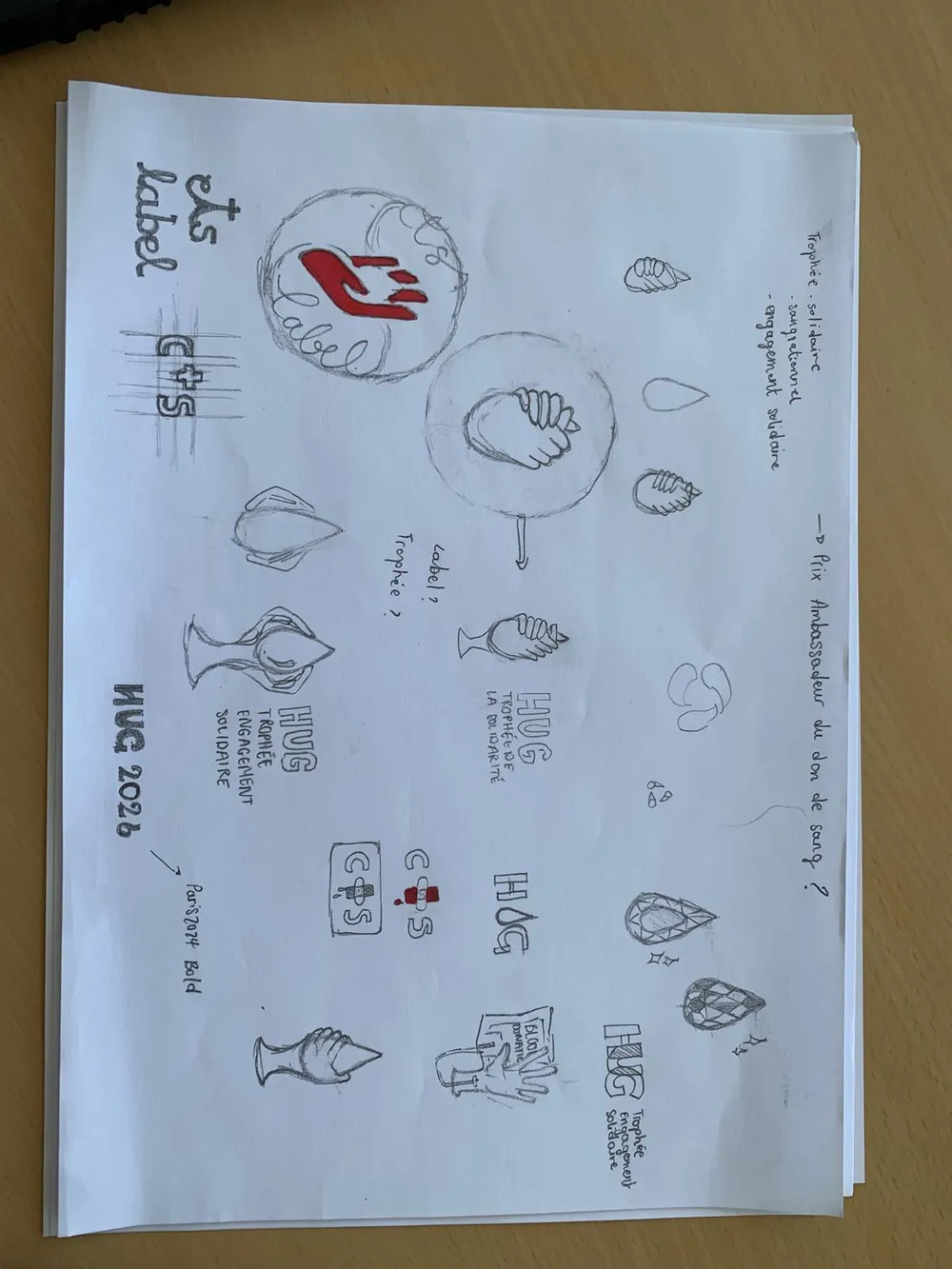
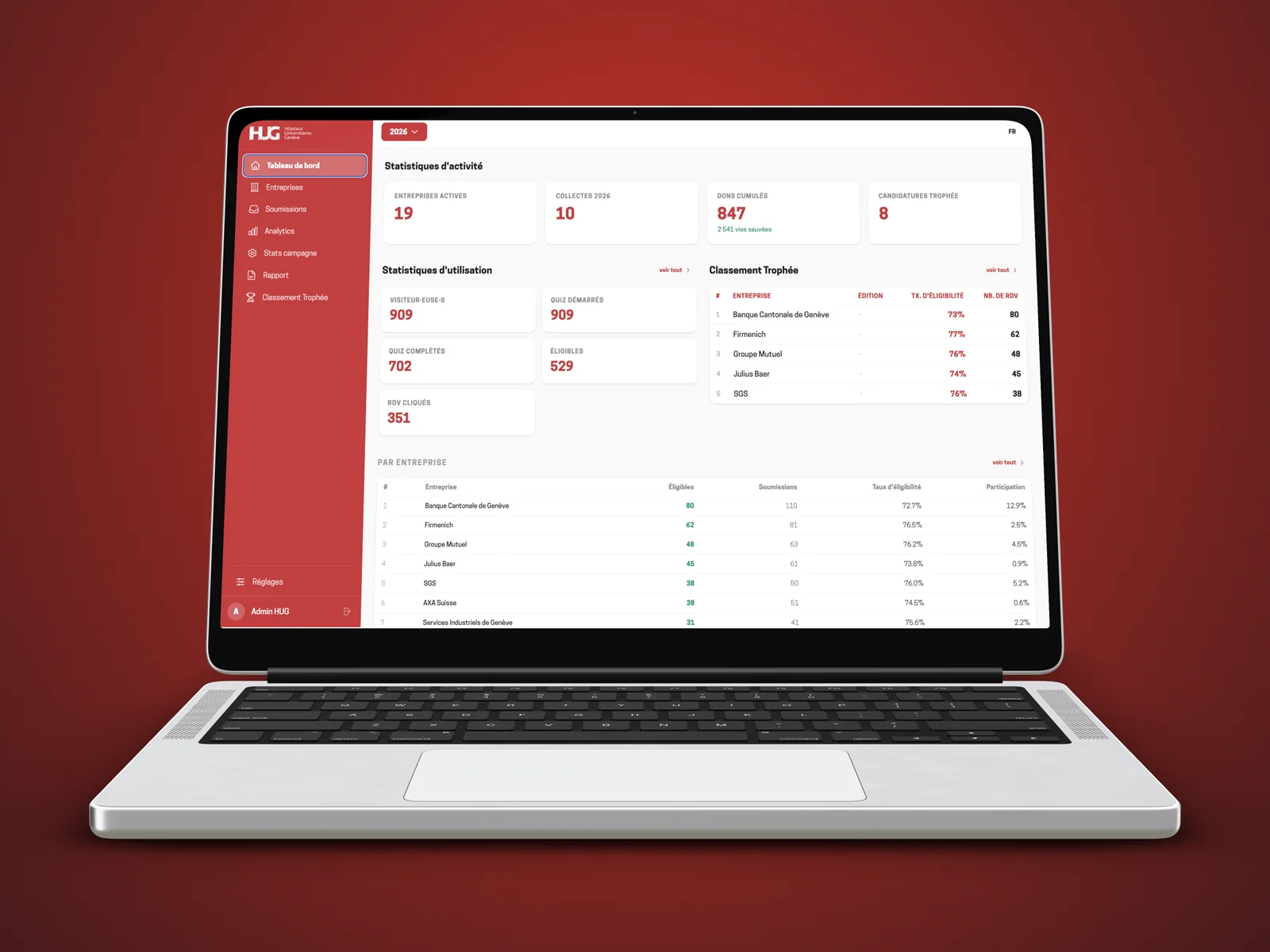
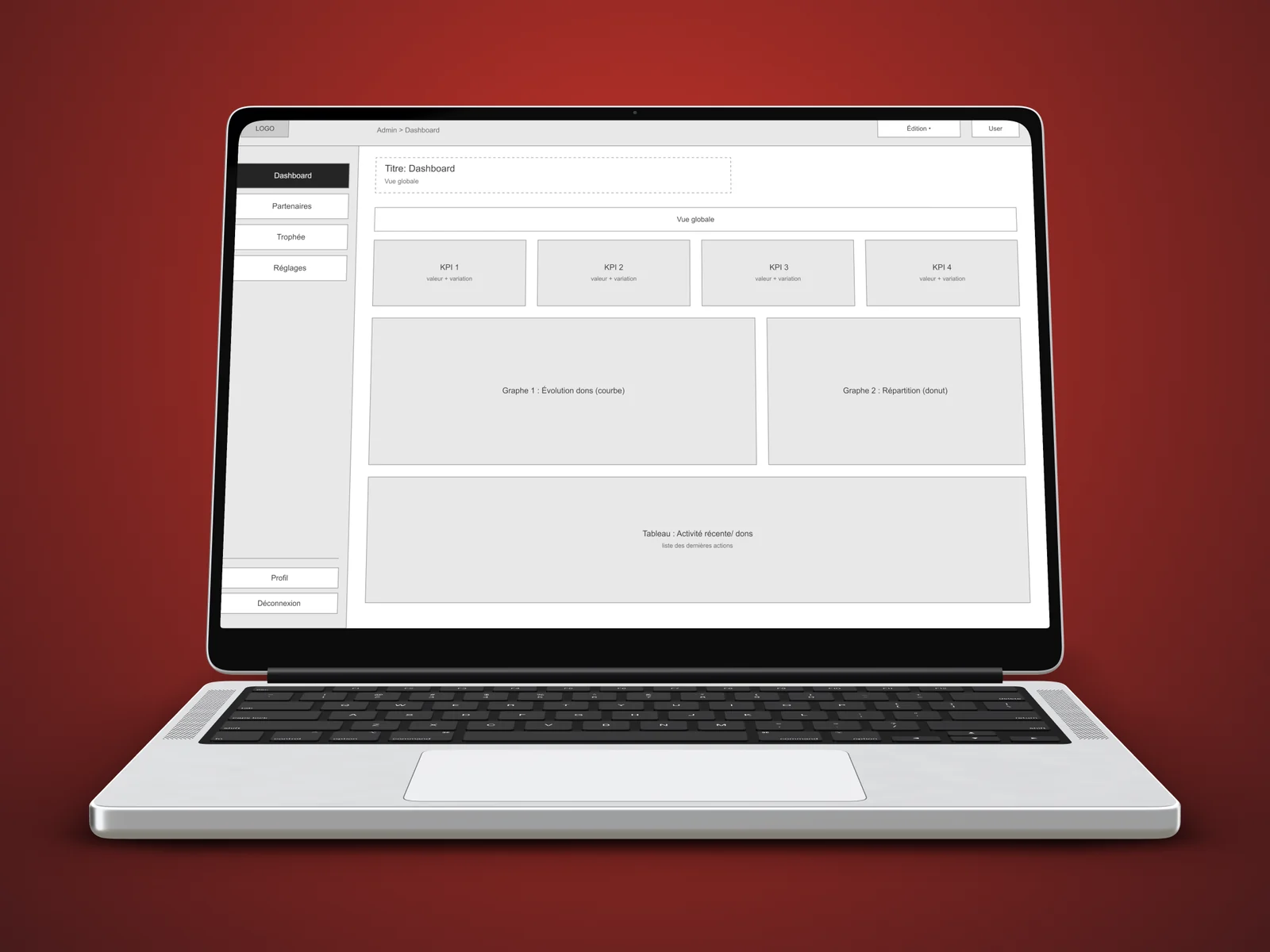
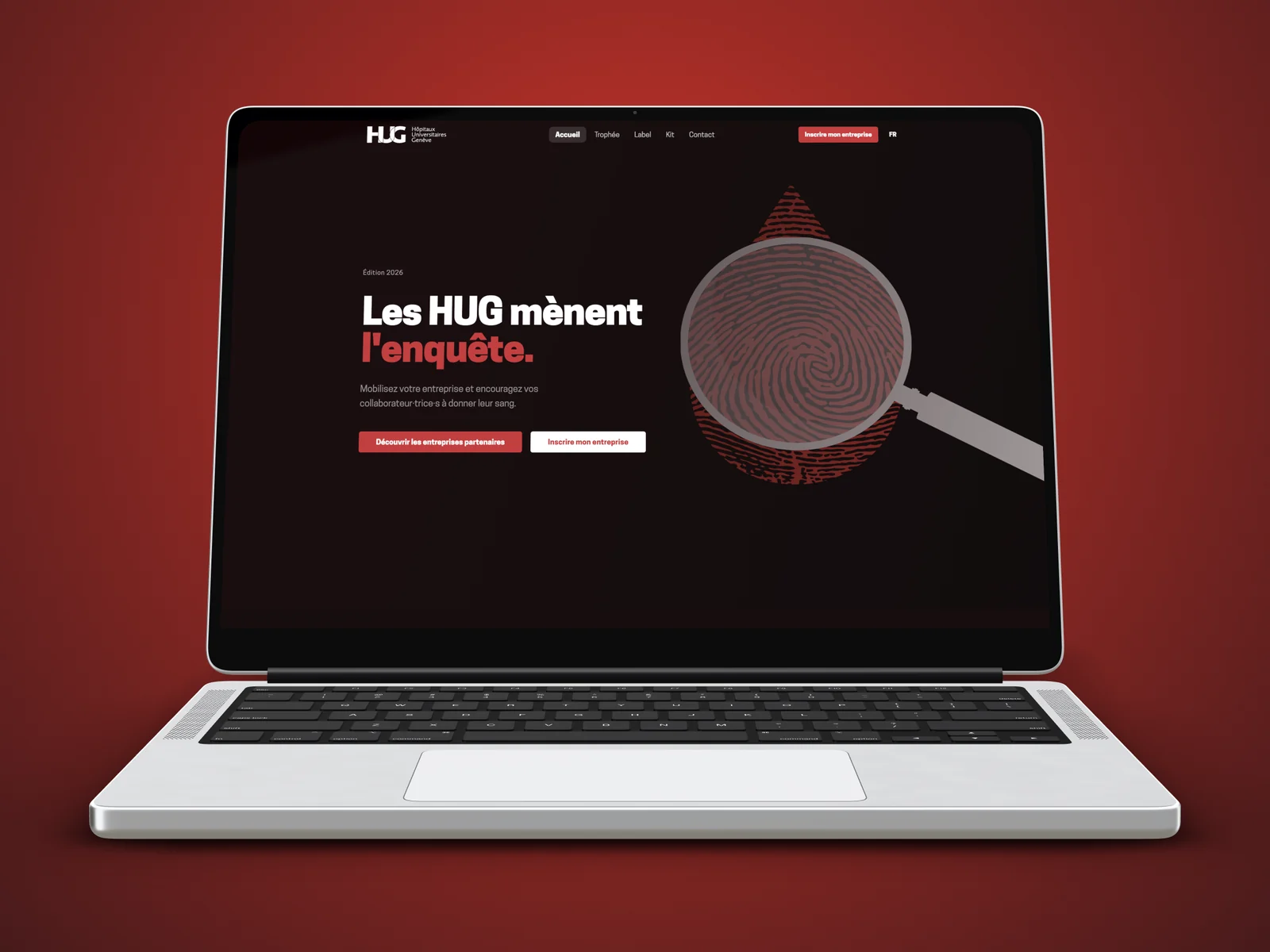
From wireframe to website
01 / 06
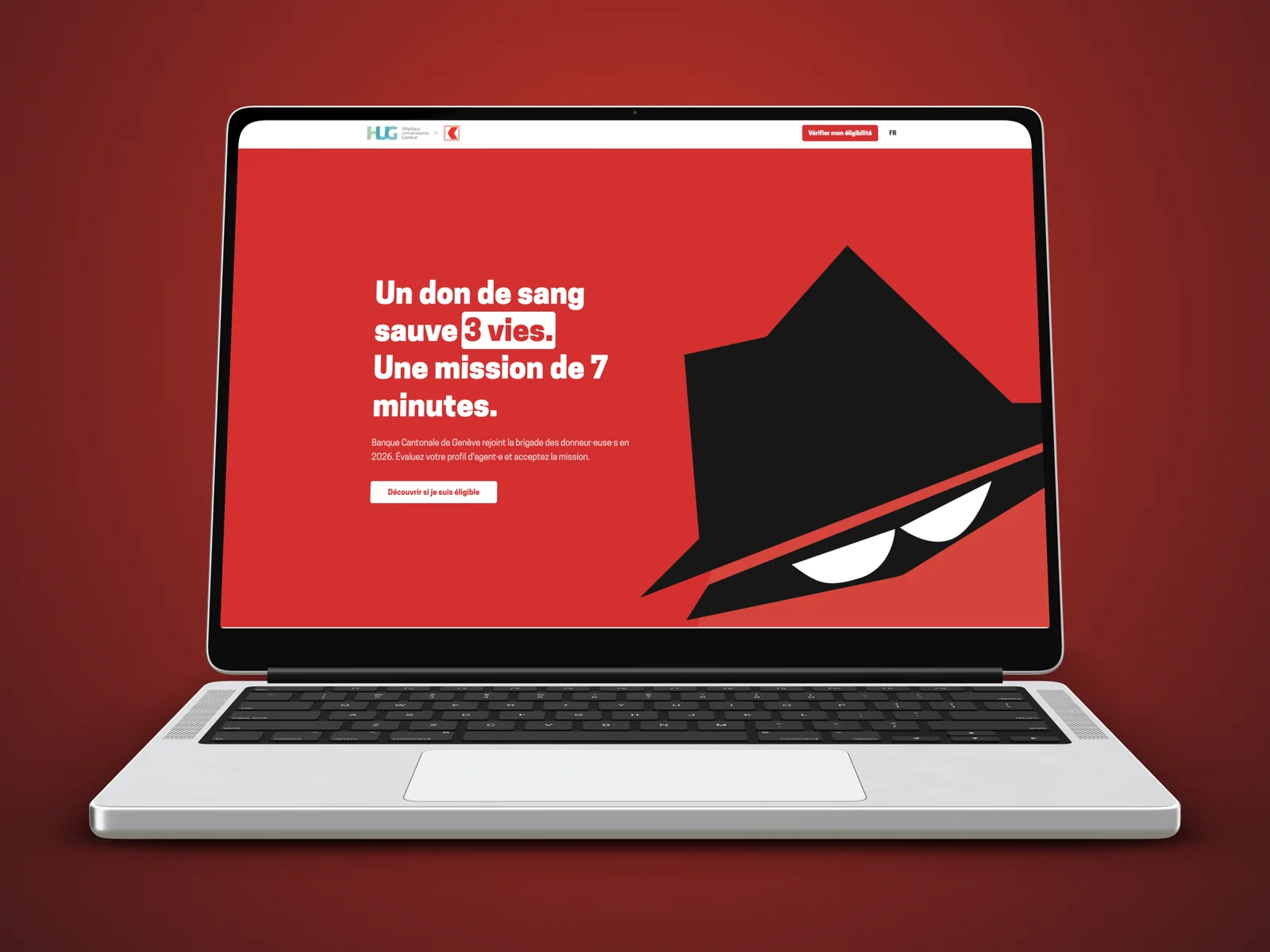
The home page speaks to companies: “The HUG are investigating”. It presents the programme and lets a company sign up.
02 / 06
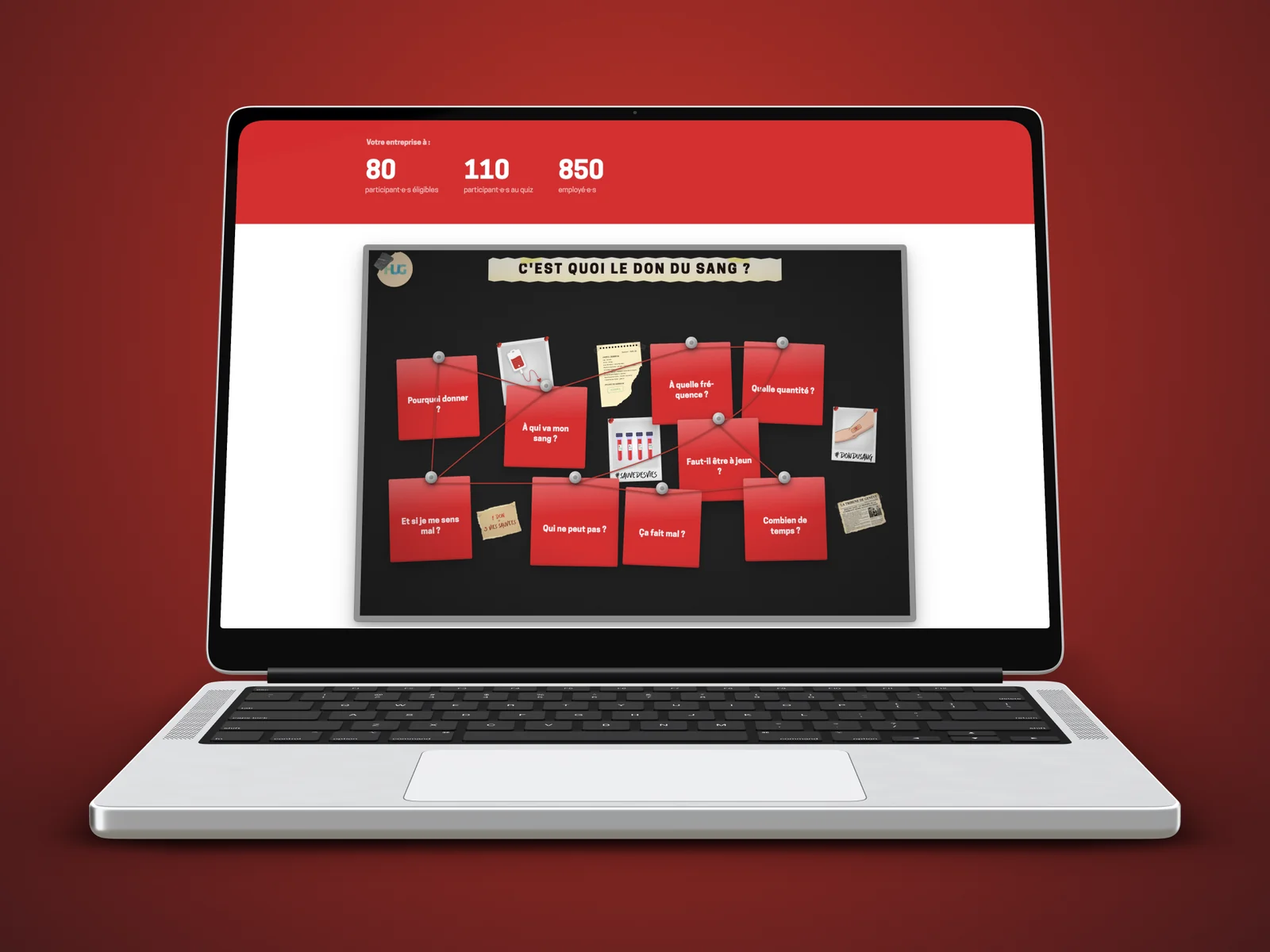
Each company gets its own page, in its own colours: one donation saves three lives, a seven-minute mission.
03 / 06
On the same page, an evidence board answers the questions people don’t dare to ask: does it hurt, how long does it take.
04 / 06
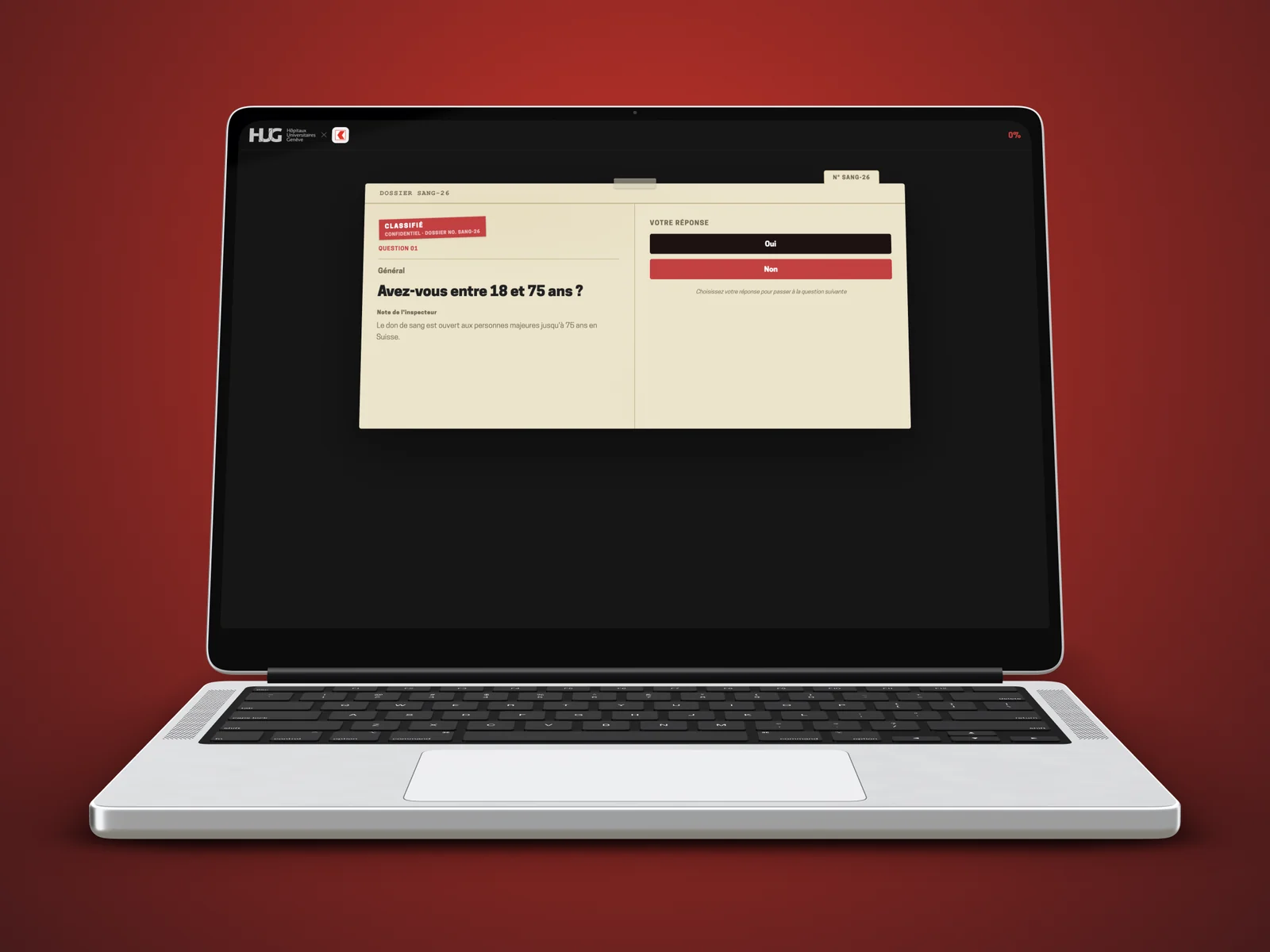
The survey uses the official criteria, asked like interrogation questions. At the end, eligible people book an appointment; the others pass the survey on to a colleague.
05 / 06
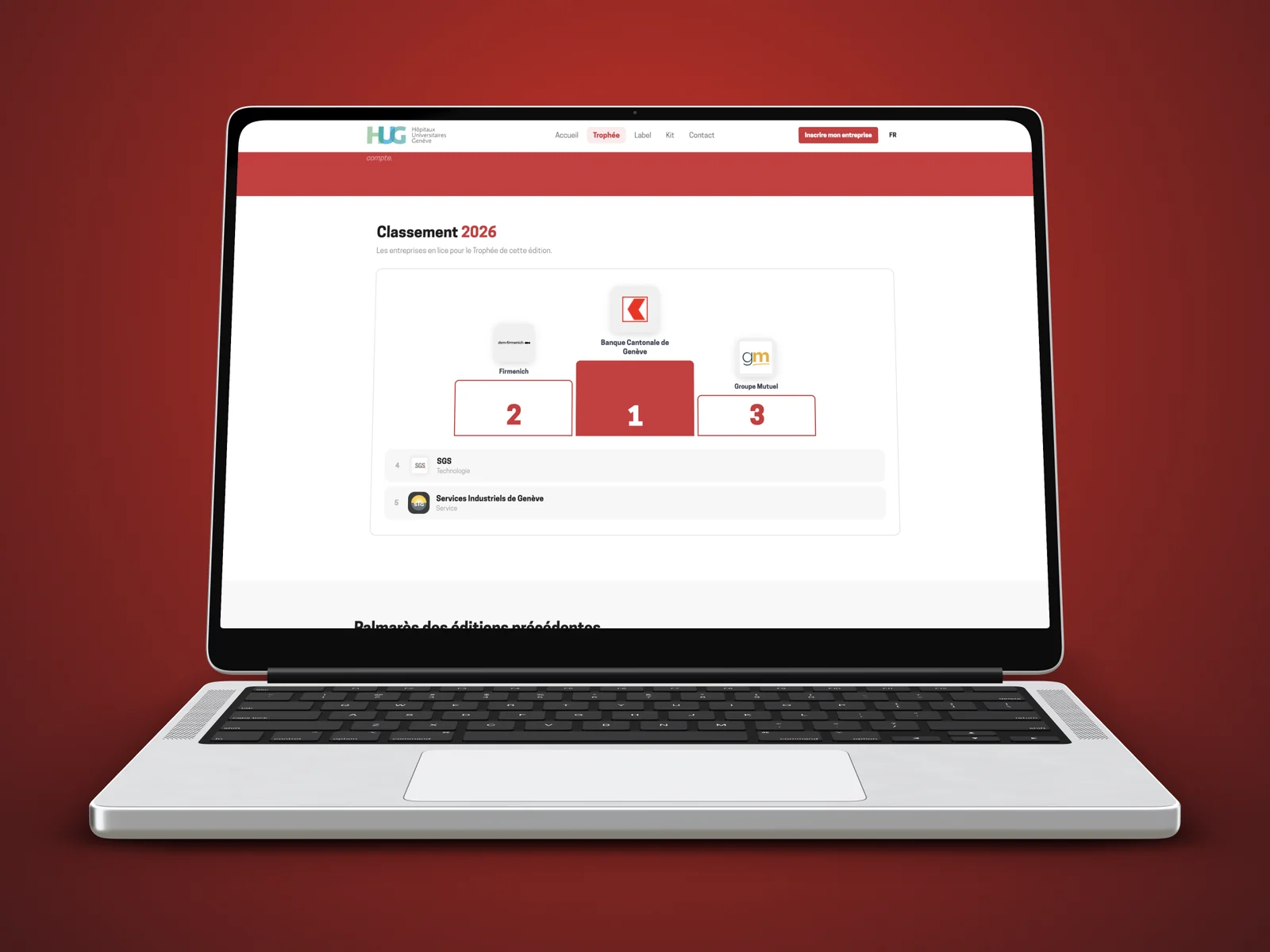
Every company that holds a blood drive receives the Label 100 pour Sang; the Trophée Sangsationnel ranks the most committed ones.
06 / 06
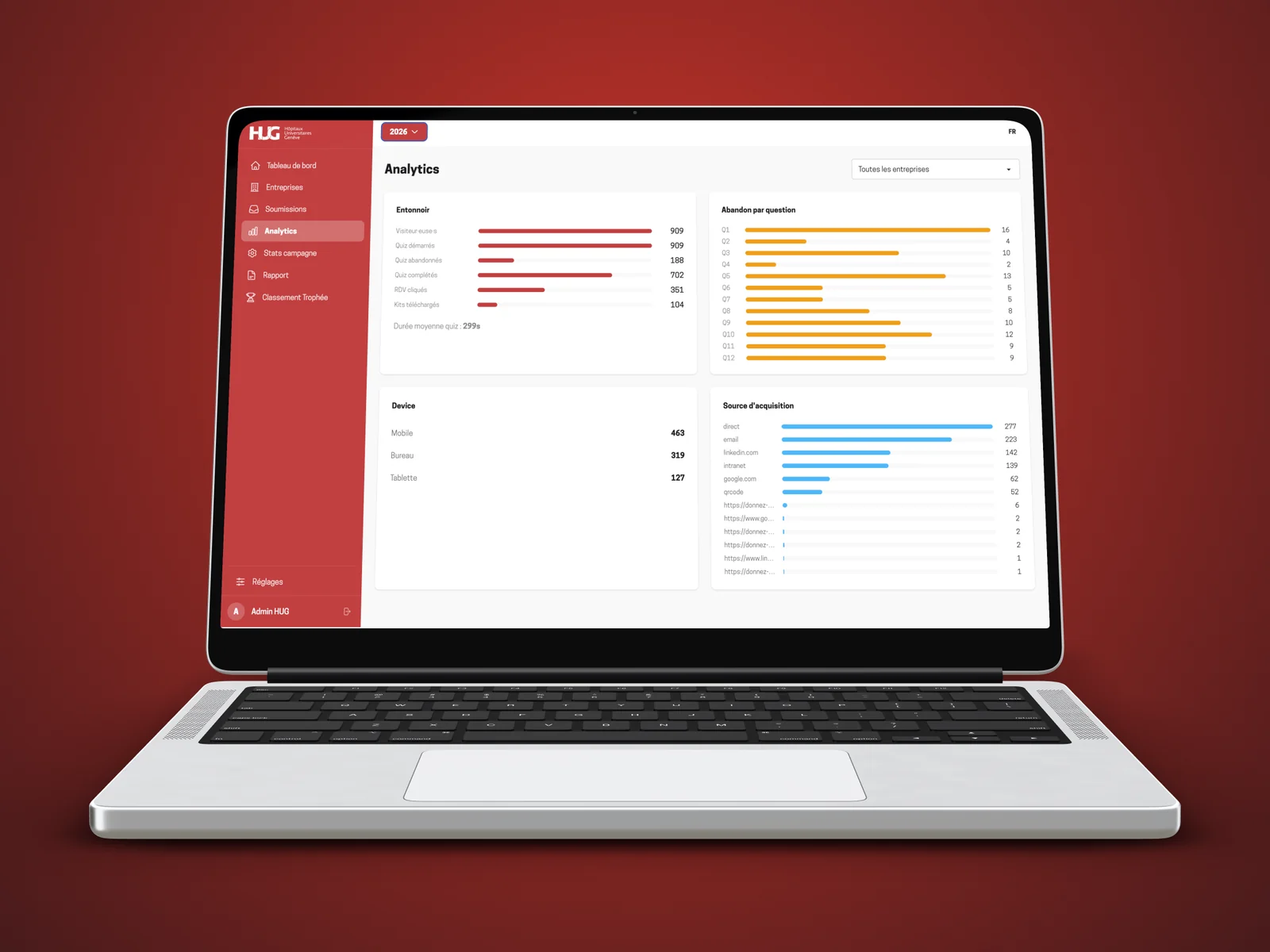
The transfusion centre follows everything from its admin area, down to the question where people drop out of the survey.
Under the hood, eligibility is calculated on the server: the browser never receives the answers that disqualify. And no personal data is stored, as medical confidentiality requires.
Vue 3
Browser
Receives the questions, never the criteria
Laravel
Server
Strips the criteria, calculates eligibility
MySQL
Database
Anonymous token, company, eligible: yes or no
The campaign: the same investigation, everywhere
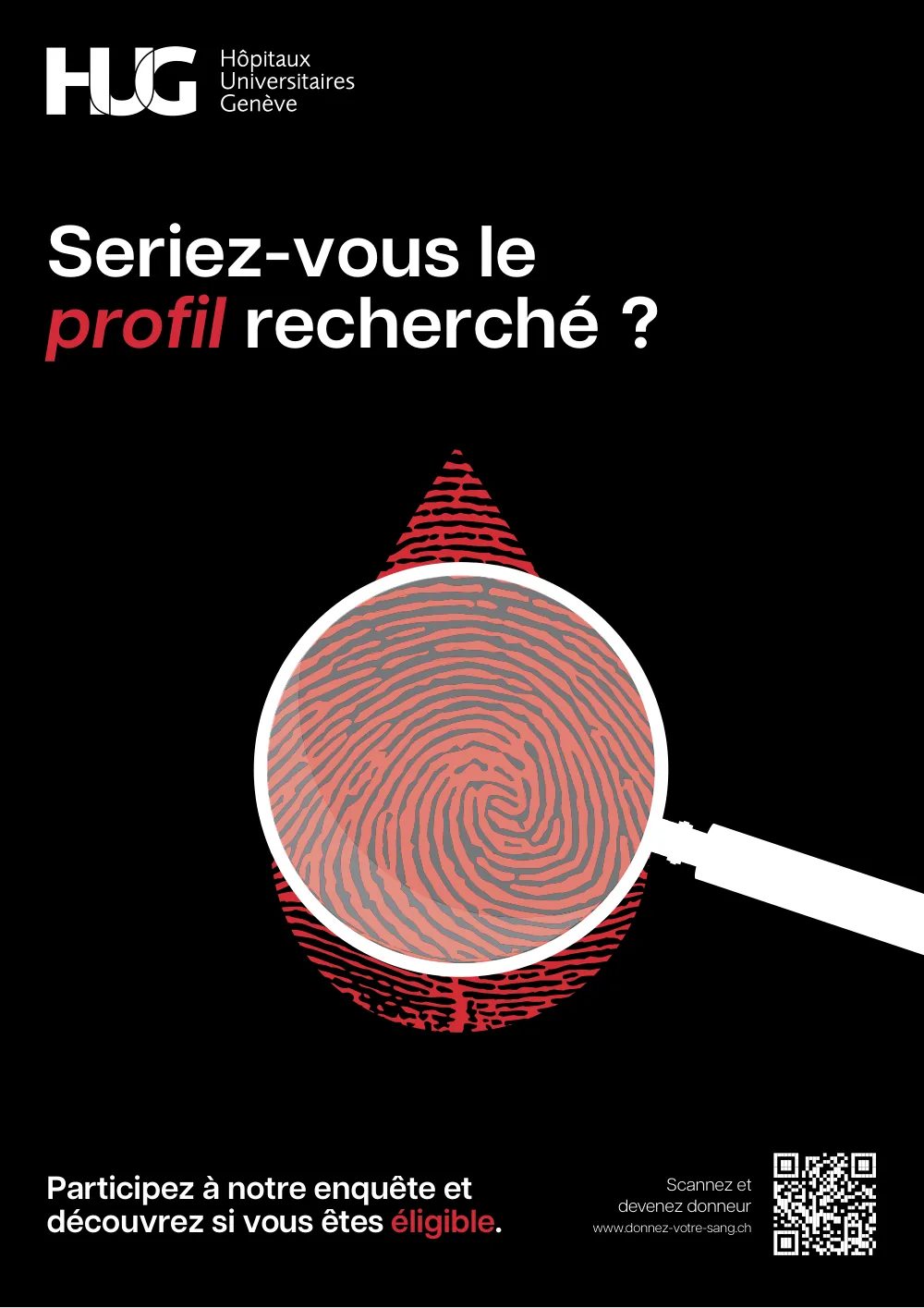
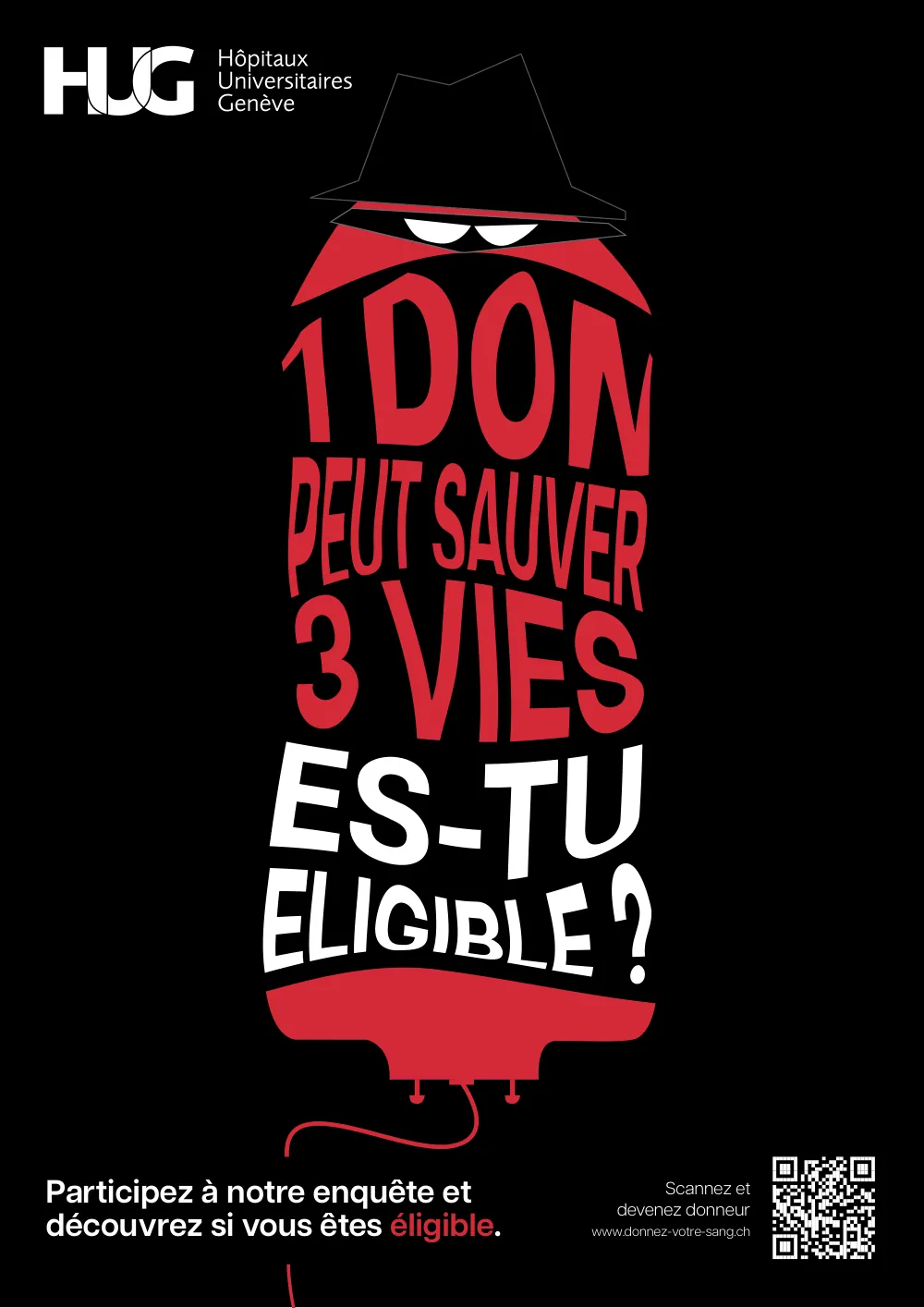
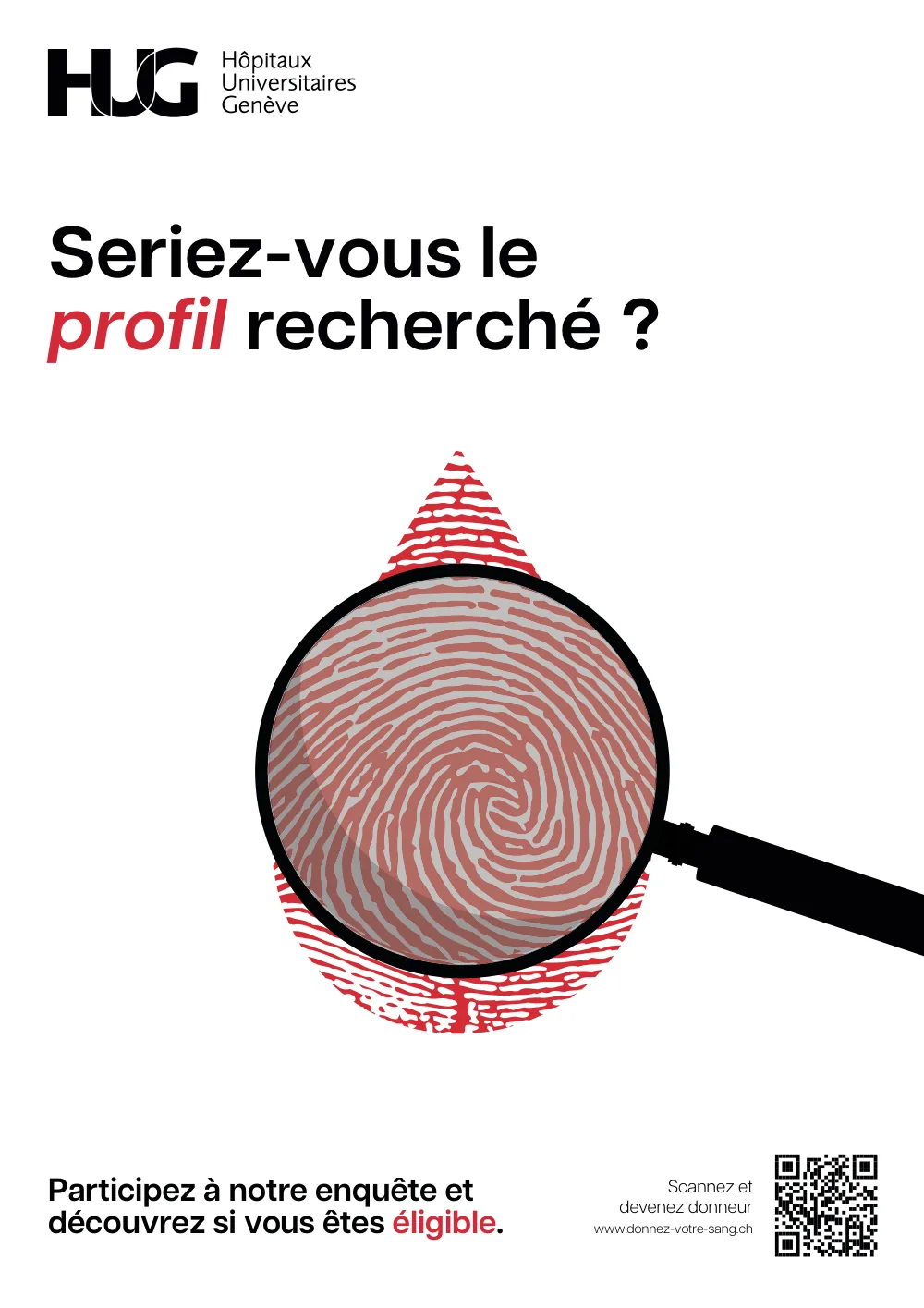
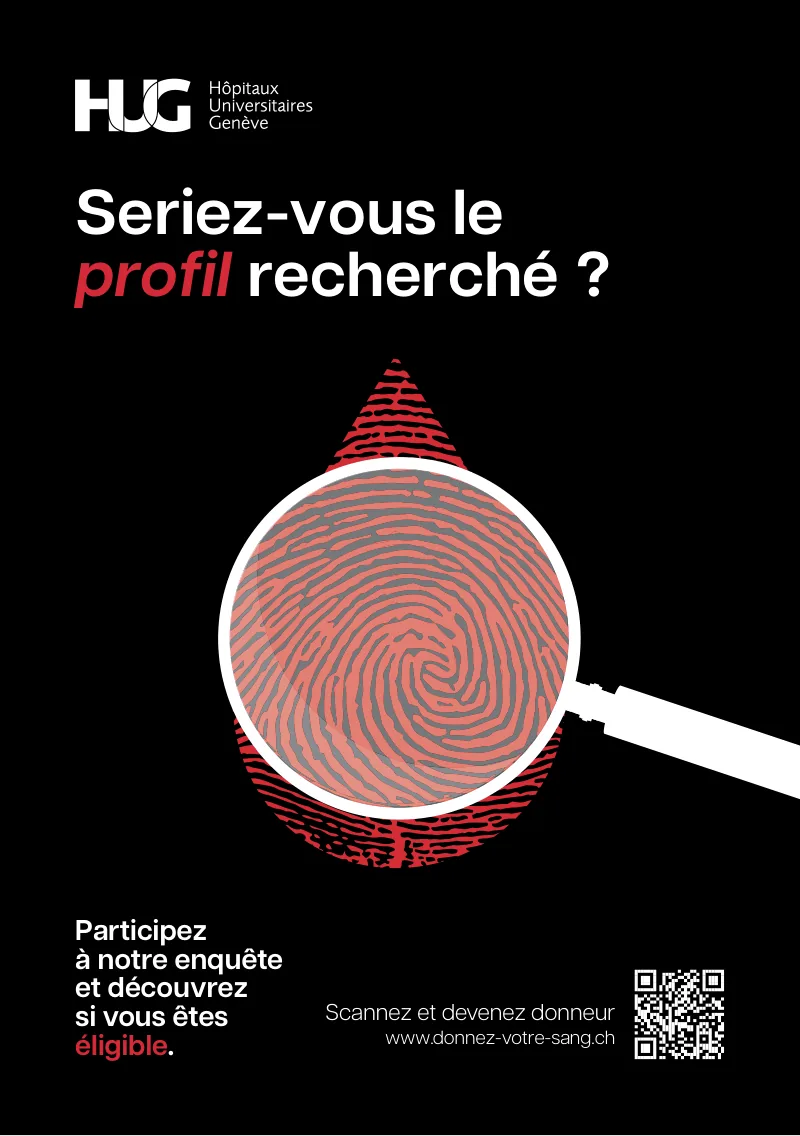
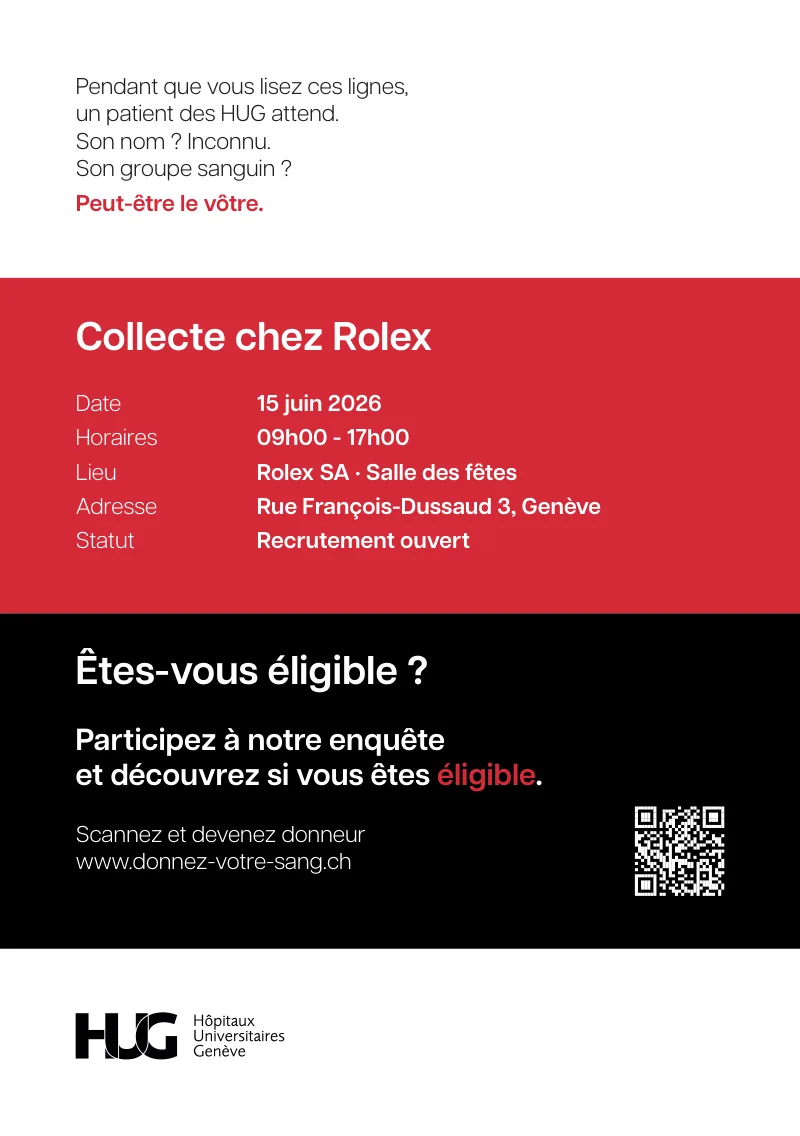
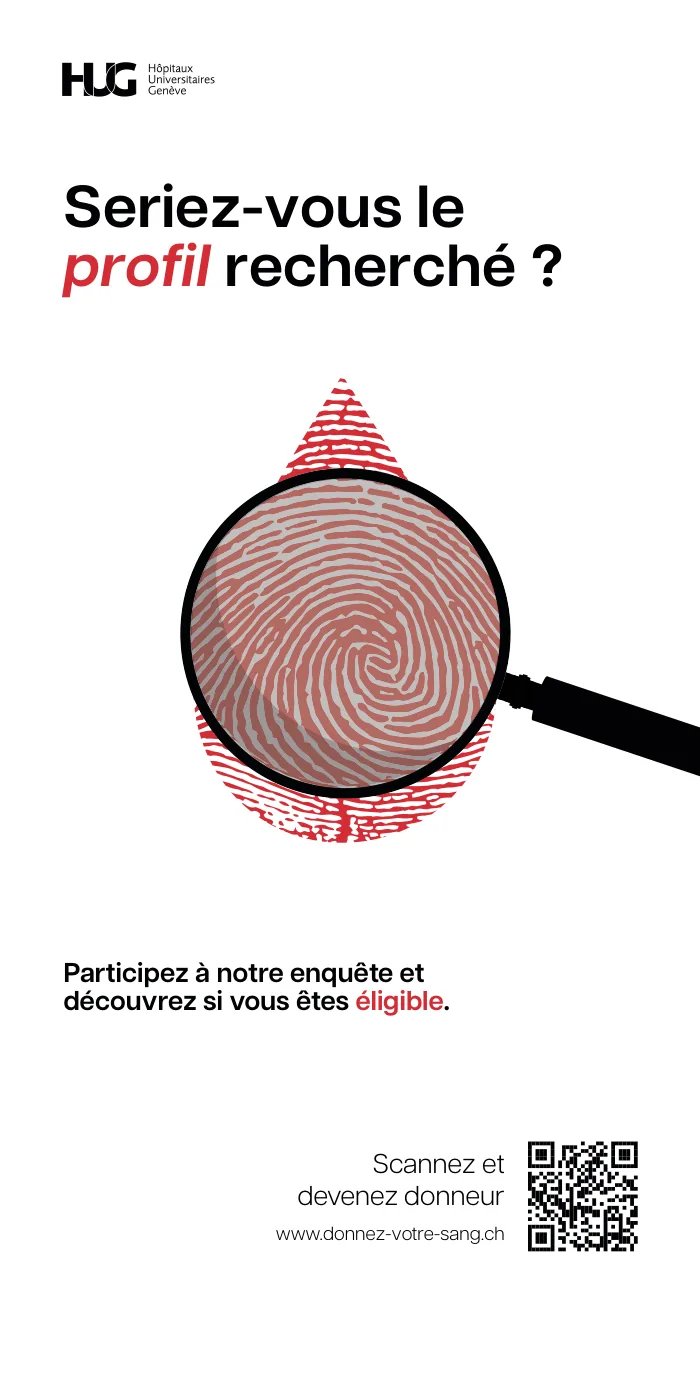
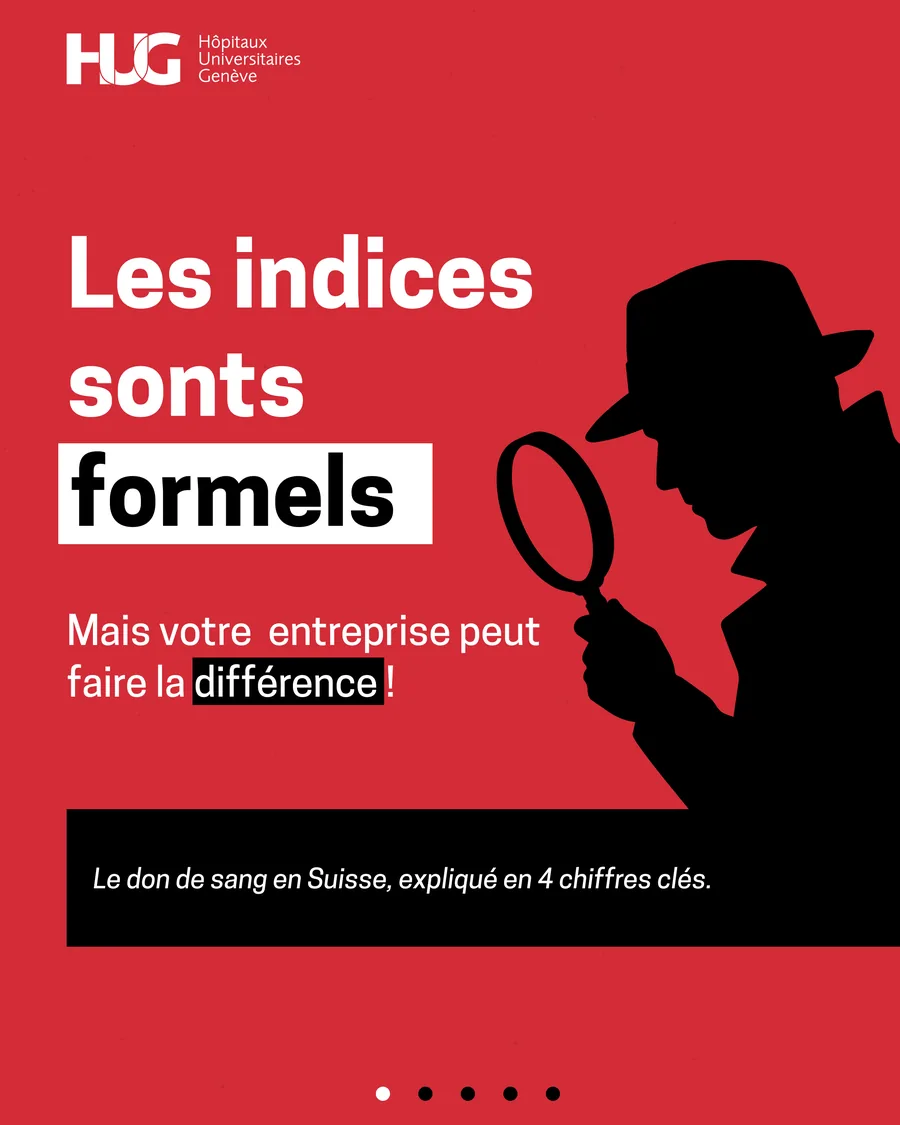
The website was only part of the answer. With the marketing and UI team, we carried the investigation onto every medium a company can use: posters, flyers, a roll-up for the day of the drive, intranet banners, social media, a video for office screens and even stickers for donors. It all comes in a kit each company downloads from the site.
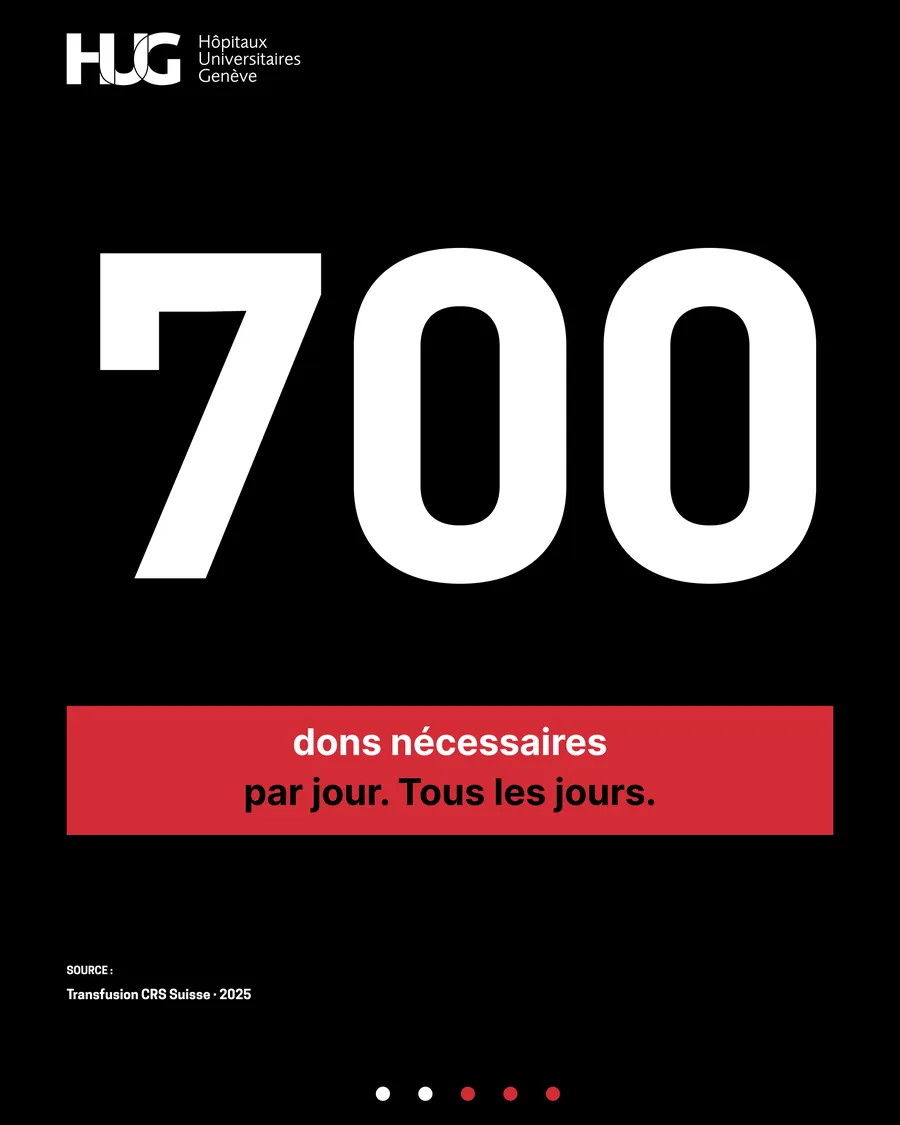
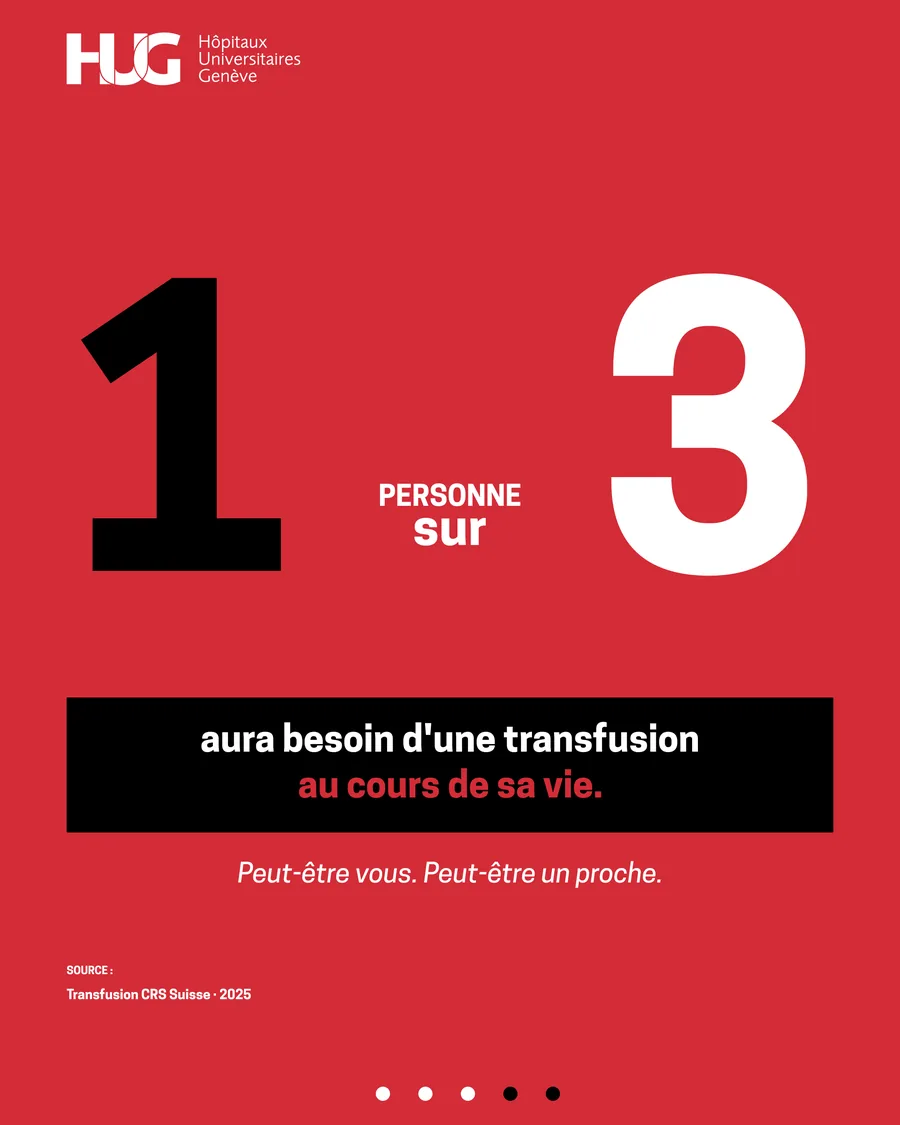




Results
- project grade
- 6/6project grade
- questions, about 7 minutes
- 24questions, about 7 minutes
- languages
- 4languages
« The investigation-based concept is very original and brings an interesting approach to better engage the target audiences. »
What I take away
I loved working with this team: seven very different profiles, and real mutual support from the first day to the last. I’m proud of what we built, and of my part in it.
I really enjoyed the Scrum rhythm, with a stand-up every morning and a sprint every week. And answering a real brief changes everything: you’re no longer coding for an exercise, but for people who will use it.
Above all, I enjoyed leading a full-stack project without limiting myself to code: thinking through the concept and the experience, then building them from the database to the screen.
Credits
- Luca Leone · Full-stack developer
- Romain Blanchard · Product Owner
- Étienne Bergeon · Scrum Master
- Christophe Cunha · UX/UI designer
- Aissya M’Ghirbi · UX/UI designer
- Liliana Kolmakova · Marketing and communication
- Marc Bridy · Marketing and communication
Integration project of the Bachelor in Media Engineering, HEIG-VD, for the HUG Blood Transfusion Centre.